
A Small but Mighty Community
A short introduction and the Fermentation Club project.

As Citrus Week rolls into what is now apparently Citrus Fortnight — there are simply too many recipes to fit into one week — I wanted to pause before we dive into the next round of ferments and properly introduce myself.
Hello. I’m Katerina.
Some of you have been here since the beginning and know me well. Others have just arrived, perhaps from Instagram, perhaps from a workshop, perhaps from a friend who forwarded you something about what to do with twenty kilos of lemons. However you found your way here, I’m really glad you did. Before we go any further with citrus, I want to tell you a little about who I am, why this newsletter exists, and something I’ve been quietly building that I think you’re going to love.
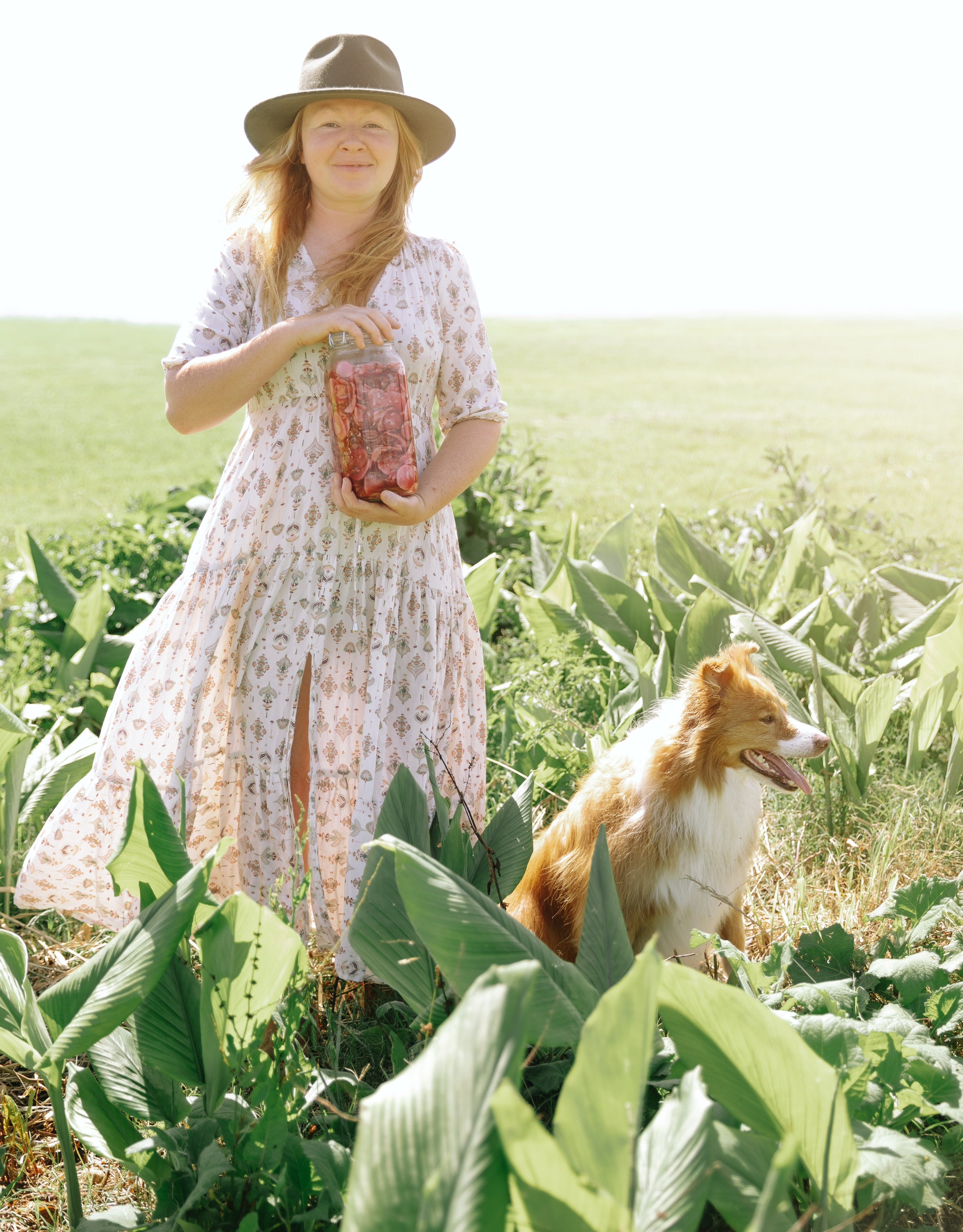
I grew up in a family who preserved food not as a lifestyle choice but as a fact of life. Strong Slavic roots, deep seasonal rhythms, and an unspoken rule that good produce doesn’t get wasted — it gets transformed. Cabbages became sauerkraut. Berries became preserves. Mushrooms were dried or fermented and stored for months. Nobody called it zero waste. Nobody gave it a hashtag. It was just what you did when the season arrived and delivered more than you could eat in a week. I didn’t fully understand until much later how deeply those lessons would shape me.
I spent my early career in marketing before realising I needed something completely different and made the decision to move to Australia to cook. The kitchens that followed were everything professional kitchens are — fast, intense, award-chasing, relentless. Long days, late nights, weekends, holidays, the constant pursuit of doing everything better, faster, cleaner, more beautifully. For a long time I loved it. And then, a few years in, it broke me.
The burnout sent me to India. And India changed everything.
I arrived carrying all the habits of a world where fine dining meant using one perfect portion of an ingredient and throwing the rest away. India showed me the extreme opposite — a place where nothing is wasted, where people make extraordinary things from almost nothing, where every scrap of food has a purpose and a second life. That contrast hit me somewhere deep. And slowly, in the middle of all of it, I found myself thinking about home. About the women I grew up around and the quiet certainty with which they treated food. About how nothing was ever wasted because fermentation made sure of that. I hadn’t called it anything back then — there were no hashtags, no sustainability frameworks, no zero waste movements. It was just what you did. But standing in India, I realised that fermentation was always the answer I’d been circling around. It was in my roots. It had always been there.
I came back, moved to Byron Bay, and found a small plot in a community garden. I started growing things. Then fermenting them. Then taking them to the markets. Then teaching. Then building an online school. Then speaking globally on closed-loop, zero-waste fermentation systems. The book is coming. And now — finally — I’m launching something that brings all of it back to where it started: the community, the ingredients, the table.
That’s what this newsletter is really about. Not recipes — or not only recipes. Curiosity. The practice of looking at an ingredient and asking what else is possible. If you’ve followed along recently, you’ve seen exactly that: one radish becoming five different recipes, one box of pears becoming multiple ferments, an entire fortnight dedicated to citrus because I simply couldn’t stop experimenting. When you start thinking this way, ingredients stop being ingredients. They become possibilities.
The conversation that changed things
A week ago I was talking to May, the owner of Conscious Grounds farm here in the Northern Rivers, and she told me something that’s been sitting with me ever since. They have an abundance of citrus right now — beautiful, seasonal, organic, grown right here — and they’re struggling to move it. The restaurants and cafés want consistency. They want the same citrus available all year round, and when it isn’t, they move on rather than adapting their menus. So the fruit that’s growing in extraordinary quantities right now, at its absolute peak, at its most flavourful and alive — a lot of it goes unsold. Not because it isn’t good. Because the system isn’t set up to celebrate what’s seasonal.
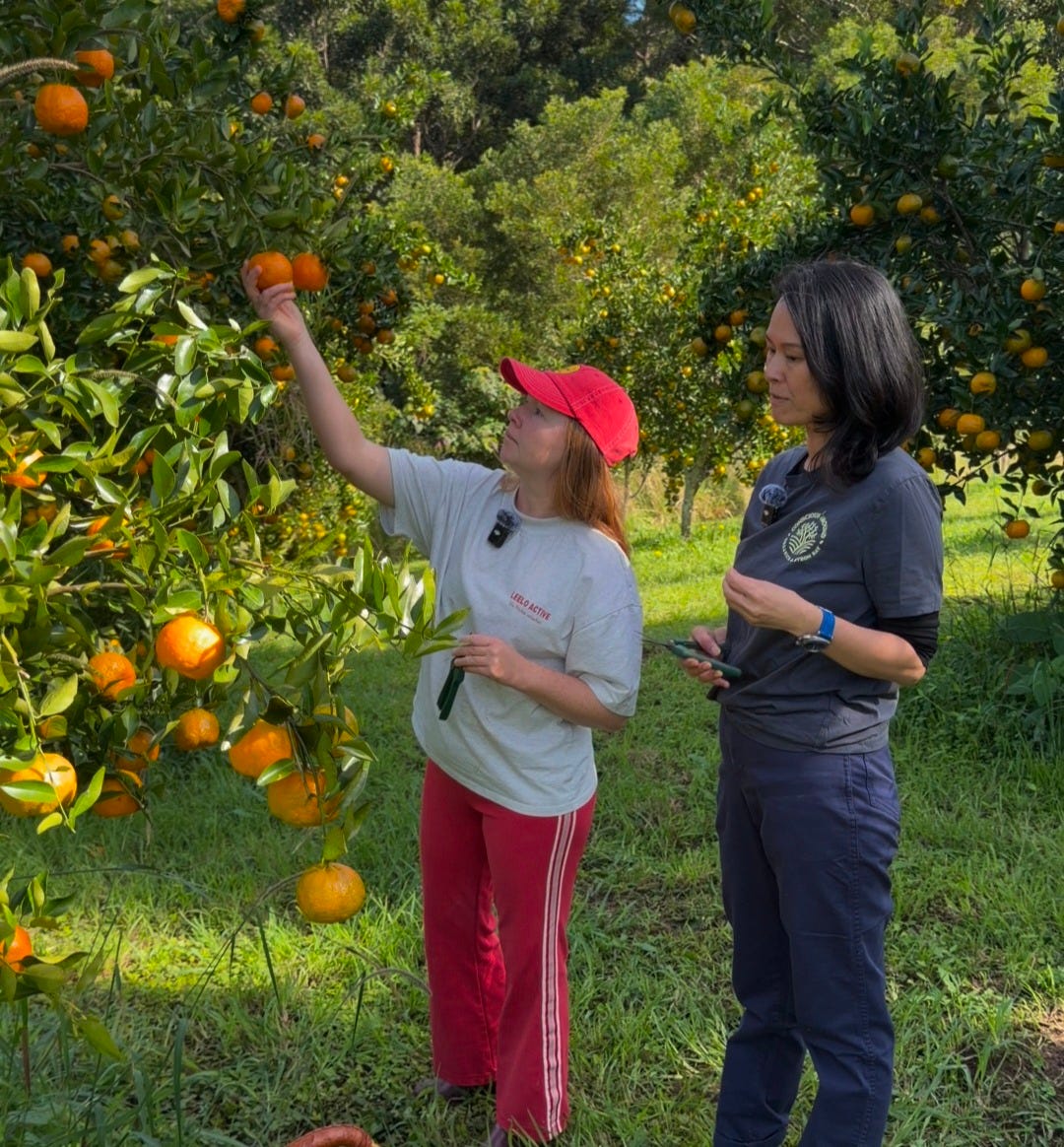
I’ve been thinking about this problem for a long time. Long before that conversation with May, I’d been quietly turning over an idea in my mind — something that felt like the missing piece between everything I do at Byron Fermentary, everything I teach through All Things Cultured, and the community I see gathering around food here in the Northern Rivers. That conversation was the push I needed.
If restaurants can’t adapt to the season, the community can. And not just adapt — celebrate it.
The vision
I keep coming back to an image that feels very Italian to me, and I mean that in the best possible way. Every autumn in southern Italy, whole families and neighbourhoods gather for the passata. Crates of tomatoes arrive. Long tables are set up. Everyone has a job — children, grandparents, neighbours who’ve known each other for fifty years. They all show up, they process an extraordinary quantity of fruit together, and by the end of the day there are jars lined up everywhere and the smell of something deeply good in the air. It’s preservation, yes. But it’s also celebration. It’s community doing what community does best: handling abundance together.
That’s the image behind the Seasonal Fermentation Club.
Not a workshop. Not a class. A gathering — around one ingredient, one season, one long table. A place where our community learns to turn what’s arriving in abundance right now into ferments they’ll reach for all year long. Nourishing, practical, living foods that don’t just preserve the season but work as medicine, as condiment, as the thing you reach for when you want to make a meal sing.
We’ll start intimate — small groups at The Farm in Byron Bay, eight times a year, following whatever is arriving in the Northern Rivers. Citrus now. Tomatoes later. Pumpkins, stone fruit, brassicas as the seasons turn. The ingredient will change. The principle stays the same: when the abundance comes at once, we gather.
And as it grows, I want to go further. I dream of a proper citrus festival — fifty, a hundred people, long tables set up at The Farm, crates of lemons and limes from local growers who need a home for their harvest, everyone making Lime Cheong and Lemon Mead and Lemon Kosho together. Music. A long lunch afterwards. The kind of day people talk about for years. An annual community preservation day built around whatever the season has brought us, with farmers who grow it and people who want to learn how to use it finally in the same room.
That’s where this is going.
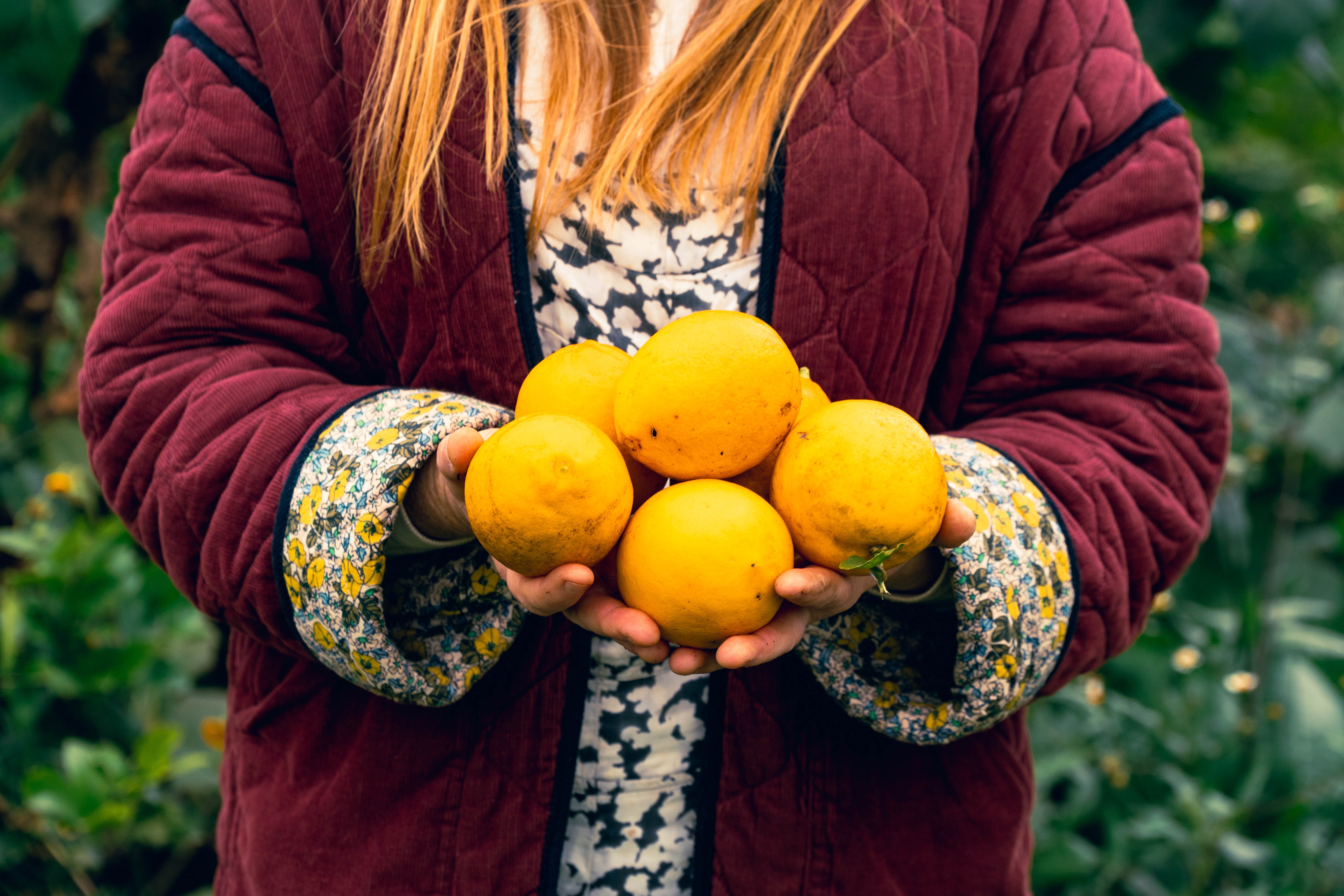
For now, we start on Saturday 25 July with our first Citrus Session at The Farm. Lemons and limes at their absolute peak, sourced from growers right here who have more than they know what to do with. We’ll make three ferments together — Lime Cheong, Lemon Mead and Lemon Kosho — and everyone leaves with jars they made themselves and the knowledge to make more next season.
And because so many of you reading this aren’t in Byron Bay, the online version of the club is coming too. The same seasonal rhythm, the same ingredients, made in your own kitchen alongside this community. More on that very soon.
If you’ve made it this far — thank you. For reading, for subscribing, for being here while this community is still finding its shape. We’re small, but we’re mighty, and I genuinely believe we’re building something worth being part of.
Now. Back to citrus. There are still a few more ferments to share.
Katerina x
Thanks for sharing Katerina! This is making me want to fly to Byron Bay next month! Will definitely be following along, I have two lemon trees so full that the branches are bending.
This makes me wish I lived a bit closer. Very excited to see the online offerings!