
Back to the Root!
The microbes on your carrot are the whole point.

There’s a trade happening inside every fermentation jar. You just can’t see it.
When you submerge a carrot in salt water and seal it away, bacteria get to work within hours. And the first thing they eat? The sugars. All that natural sweetness - the glucose, the fructose, the sucrose - gets consumed. Converted. Transformed into lactic acid, into depth, into something that was never there before.
The carrot gives up its sweetness. In return, it gets preserved, complicated, alive in an entirely different way.
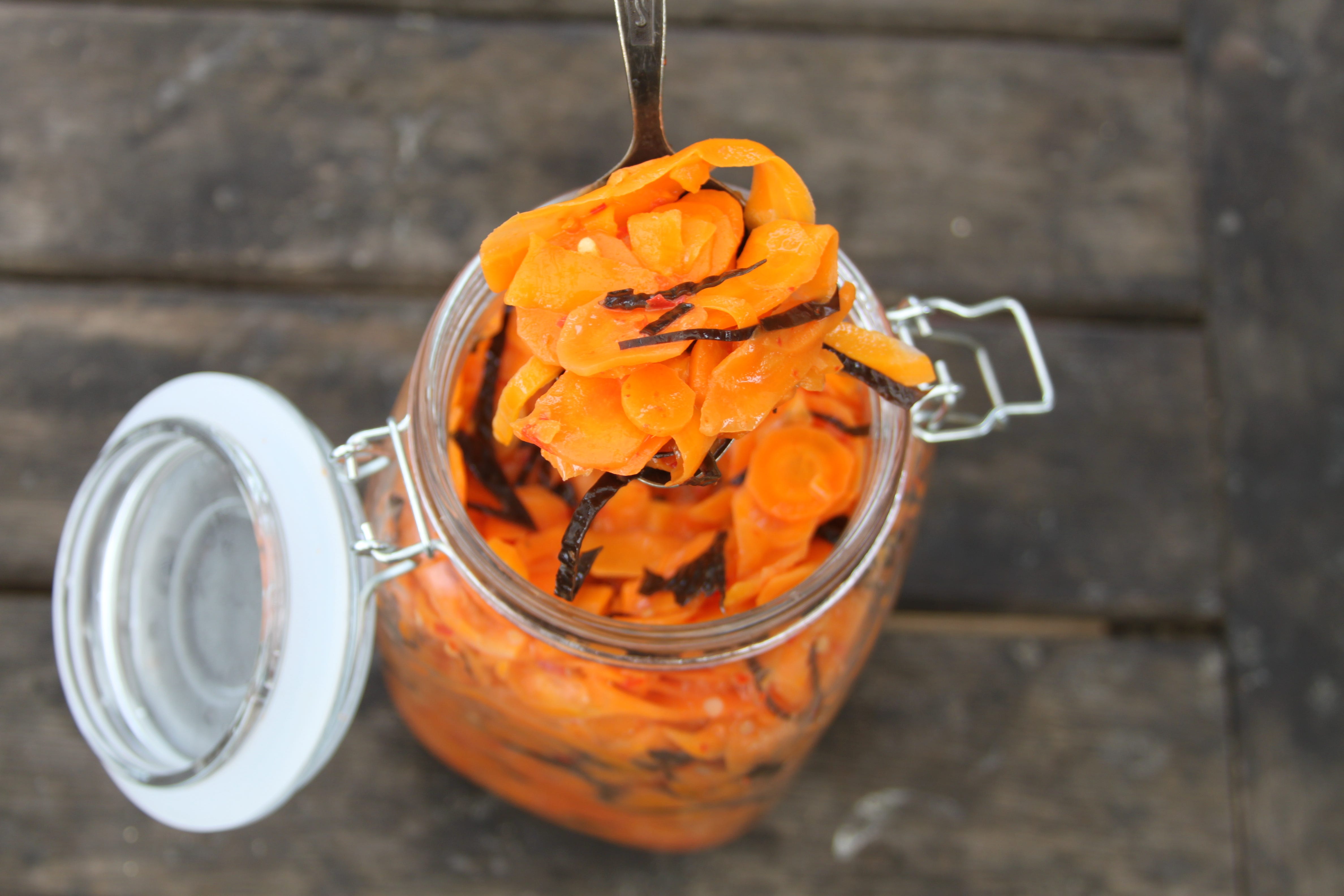
That trade is the whole logic of fermentation. And no ingredient makes it more visible - or more beautiful - than the carrot. This week we’re going back to the root. And I mean that in every sense.
A brief, strange history
The orange carrot is a political invention. Before the 17th century, carrots came in purple, red, white and yellow - ancient, diverse, wild-looking things. Dutch growers bred the orange variety in honour of William of Orange, it spread across Europe, and we forgot the others existed.
Ferment a purple carrot today and watch the brine turn vivid magenta - the colour bleeding back. Fermentation has a way of revealing what was always there.
I only grew carrots once
One season in the garden. I was convinced it would be straightforward. They’re carrots. How hard could it be?
Harder than I thought. The soil preparation alone took weeks - carrots need deep, loose, stone-free beds or they fork and twist into strange shapes. You have to be exact about watering (too much and they split, too little and they’re woody), patient about timing, attentive to pest pressure in a way I wasn’t prepared for. And the rats. If you’ve ever grown carrots, you know: every rat in a fifty-metre radius will find them. I lost a significant part of that crop before I even got close to harvest.
I pulled what remained at the end - small, imperfect, deeply satisfying - and I remember holding them thinking about how much had gone into each one. I haven’t grown them since. But that single season gave me a genuine respect for carrot growers that I carry into everything I do with the vegetable now.
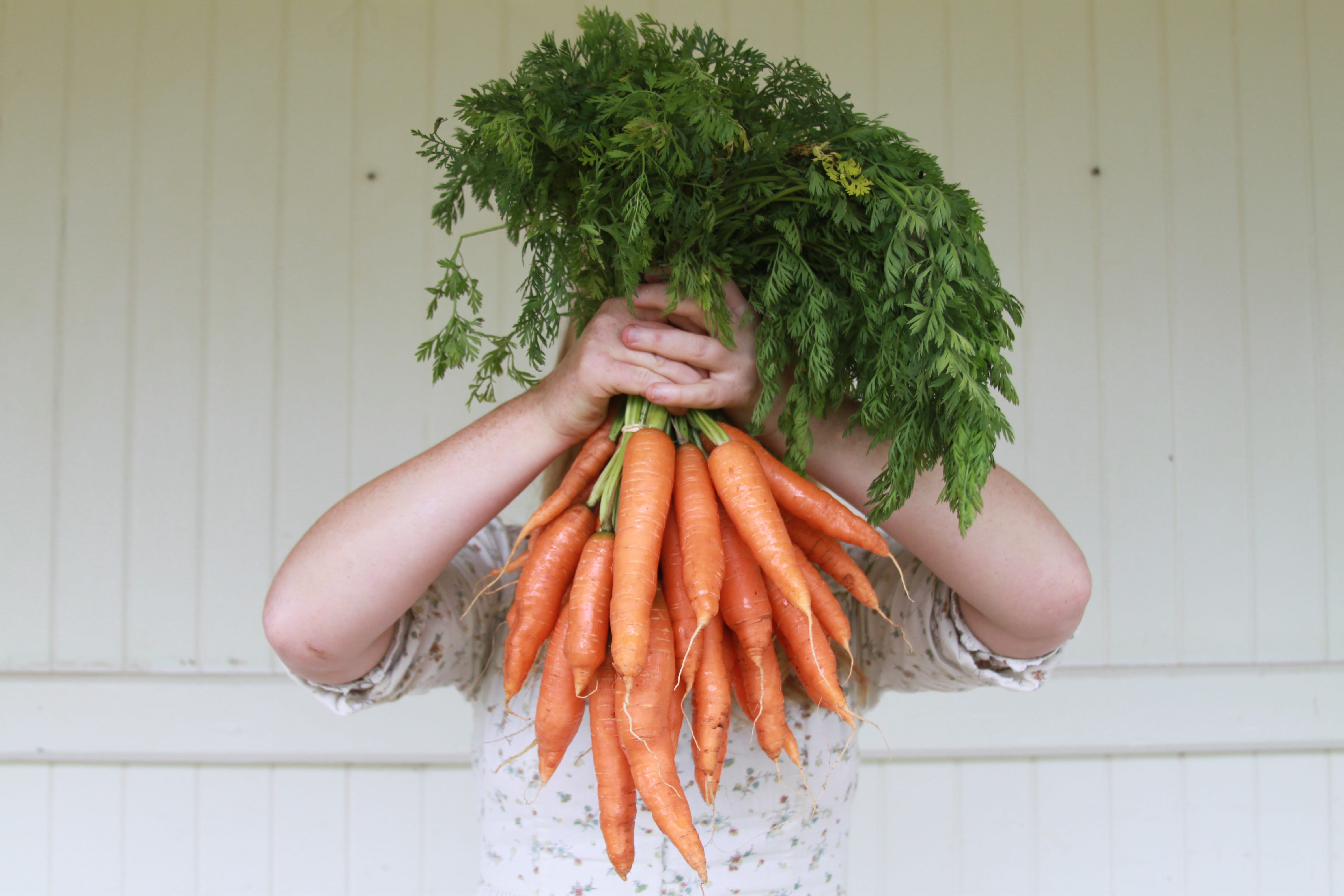
This week we sourced our carrots from Roseberry Farm in Kyogle - grown by Tay and Julia, an extraordinary young couple doing this work with real resilience and heart. The kind of farmers who think carefully about their soil, their practices, and what they’re putting into the world. When you taste their carrots, you taste that care. And when you ferment them, something of it carries through into the jar.
Which brings me to something I think about a lot, and don’t see talked about enough.
Organic vs non-organic - and why it actually matters for fermentation
Most of the conversation around organic produce focuses on pesticide residues and nutritional content. Both valid. But for fermenters, there’s a third reason that rarely gets mentioned: the microbes.
Lacto-fermentation is powered by bacteria that are already living on the surface of the vegetable before it ever reaches your kitchen. You don’t add them - they’re already there, part of the living ecosystem of the skin. When you create the right conditions (an anaerobic, salty environment), these naturally present Lactobacillus and lactic acid bacteria get to work, consuming sugars and producing the lactic acid that preserves and transforms everything inside the jar.
Here’s the problem with conventional, non-organic produce: pesticides, fungicides and herbicides don’t just target pests. They reduce the overall microbial population on the vegetable’s surface. You may be starting a ferment with a fraction of the bacterial diversity that an organic or regeneratively grown vegetable carries. This can mean slower fermentation, less reliable results, and - most noticeably - flatter flavour. A ferment that works, technically, but doesn’t sing.
Washing also plays into this. Non-organic vegetables are typically washed more thoroughly to remove residues, which further strips the surface bacteria. Some fermenters add a starter culture to compensate. I prefer to start with better ingredients.
When you ferment vegetables from farmers like Tay and Julia - who care about their soil health, who are building biologically active ground rather than depleting it - you’re starting with a carrot that has a rich microbial community living on its skin. The ferment reflects that. The depth you get in the jar is, in part, the story of how that vegetable was grown.
Soil health and fermentation quality are not separate conversations. They’re the same one.
This is also why, if you’re fermenting at home and finding your results inconsistent, sourcing is often the first thing worth looking at - before your salt percentage, your vessel, your timing. Start with the carrot.
What actually happens when you ferment - lacto and koji
For lacto-fermentation, the process begins fast. Within the first 24-48 hours, the lactic acid bacteria on the vegetable’s surface consume the simple sugars - glucose and fructose first - and convert them into lactic acid. That lactic acid drops the pH of the brine, creating an acidic environment that preserves everything inside while the bacteria continue to work. Over days and weeks, secondary fermentation creates a cascade of flavour compounds - esters, aldehydes, organic acids - that give each vegetable its own fermented character.
What you’re left with is a living food. Billions of lactic acid bacteria surviving in the finished ferment. B vitamins preserved or in some cases increased. The natural prebiotic fibre in the carrot - soluble fibre, pectin and inulin that feed good gut bacteria - still intact. A fermented carrot is both prebiotic (feeding your gut) and probiotic (adding to it) in the same bite.
Koji fermentation works differently - and the results are extraordinary in a completely different direction. Aspergillus oryzae, the mould cultivated in Japan for over a thousand years to make miso, sake and soy sauce, produces enzymes that break down starches into sugars and proteins into amino acids. Those amino acids - particularly glutamate - are what create umami. Deep, savoury, mouth-coating flavour that makes you keep eating.
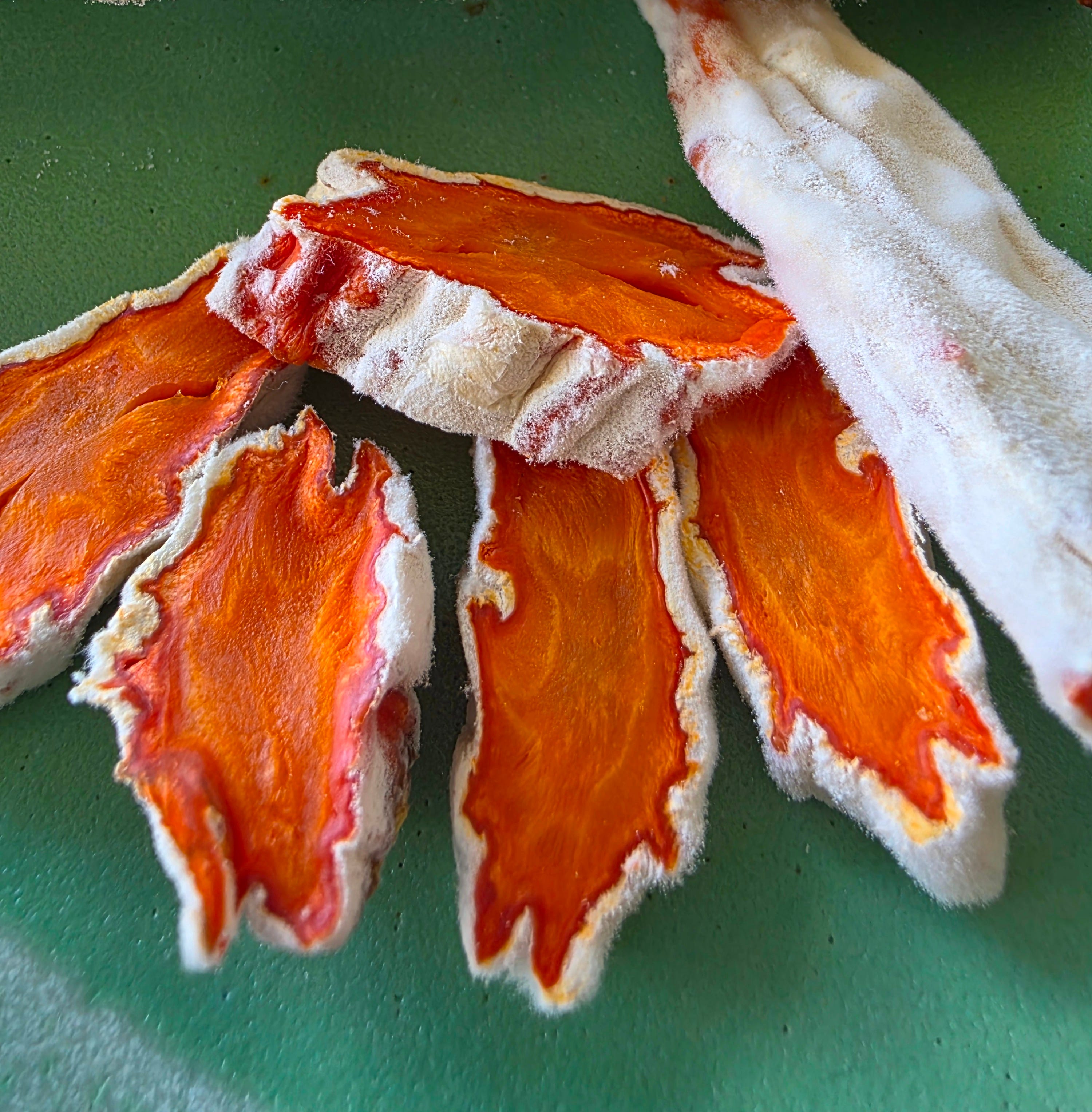
When we apply koji to carrot, the fungus goes to work on a vegetable with almost no protein by conventional standards. And yet it works. The starches convert. The small protein content breaks down into something unexpectedly intense. Carrot koji has a depth that’s hard to describe until you taste it - sweet and savoury at once, with a richness that doesn’t belong to a root vegetable. Combine that with the long fermentation of miso and what you get has been transformed twice: first by the koji, then by salt and time. Still unmistakably carrot. Completely unrecognisable as one.
Every Bit Counts - Carrot Week, Monday
This Monday’s post is the full Every Bit Counts! Carrot edition - the whole vegetable, every part, nothing in the bin:
Carrot kimchi - bright, funky, deeply savoury. The carrot holds its crunch and the fermentation pulls out sweetness underneath all the heat and garlic.
Carrot koji charcuterie - koji-cured carrot that mimics the texture and intensity of aged meat. It stops people mid-conversation.
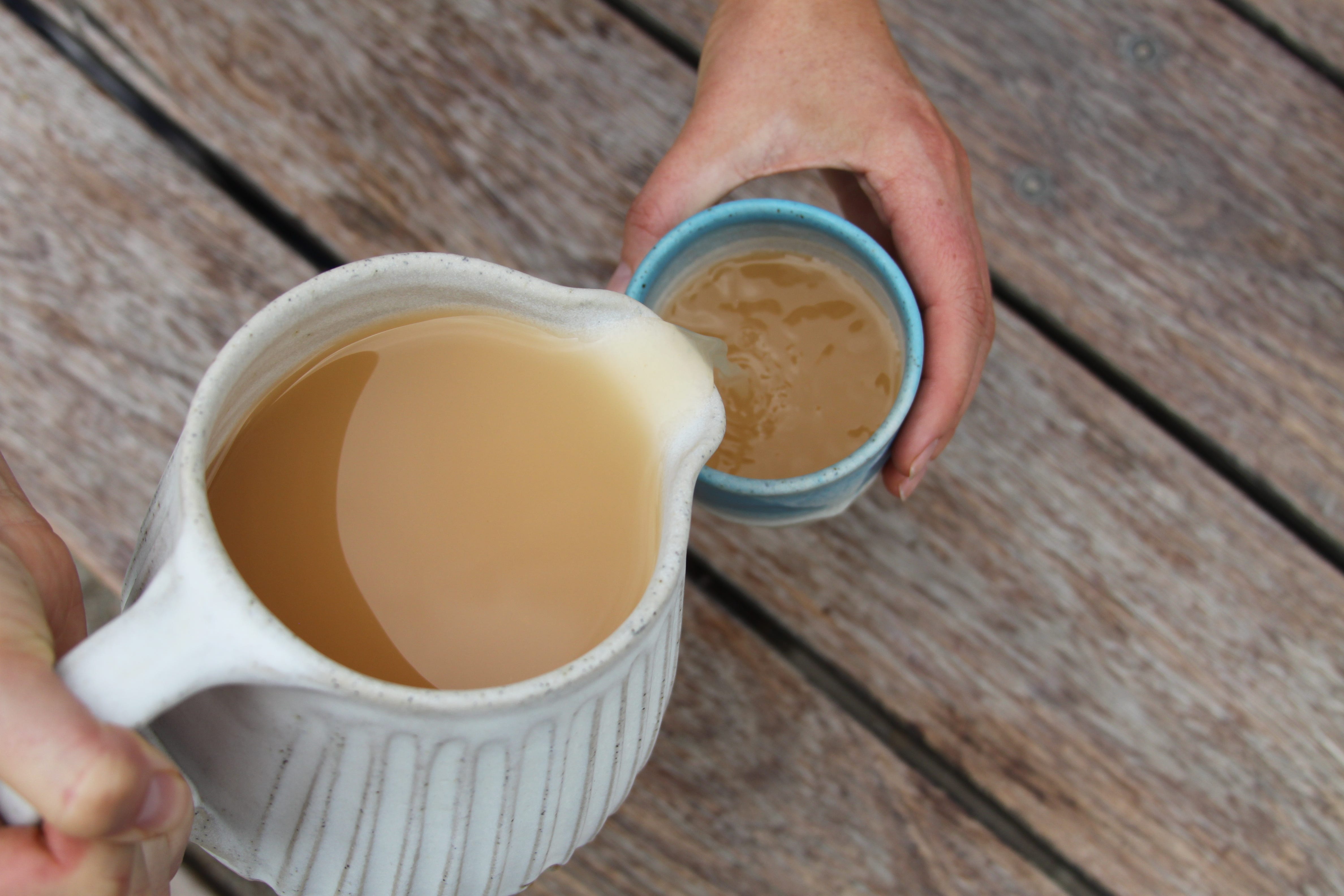
Carrot peel garum and kvass - the offcuts do the heaviest lifting. The garum is liquid umami you won’t believe came from a peel. The kvass is sweet, earthy, deeply orange in the glass.
Roasted carrot miso - caramelised sugars from roasting meeting the slow alchemy of miso fermentation. Nothing like anything from a packet.
Carrot top koji pesto - the part everyone throws away, fermented with koji and blitzed into something grassy, sharp and deeply savoury. A small act of refusal against the bin.
All the recipes go up Monday. See you there.
One more thing - and it’s a good one.
From mid-July, I’m adding a live video class every month to the subscription mid July.
A proper hands-on session - I ferment with you in real time, walk you through the process step by step, and you finish with something in a jar and a clear understanding of what you just did and why it worked. There’s only so much that words and photos can teach. Some things in fermentation you need to actually see - what healthy brine looks like, what koji feels like when it’s ready, how to tell by smell and touch when something is done. The video classes are where that finally becomes possible.
If you’ve been thinking about joining, right now is the moment. Everyone already subscribed locks in the current price - which means you get the live classes included without paying more when they launch in July. Once the classes go live, the price goes up to reflect everything that’s inside.
It’s the best value this subscription will ever be. And it’s about to get a lot more.
Join now and lock in your price!
Fizzy regards,
Katerina
I trued to manage subscription but got a message that it can’t be managed in the app. Is there a different way?
regards
sally
Very interesting about organic produce and fermentation! It makes a lot of sense